
Thursday, January 15th, 2026
In the weeks and months following the birth of a child, families often face profound physical, emotional, and logistical challenges. For many, especially those with limited financial resources or community support, this critical postpartum period can feel isolating and overwhelming. Sanctuary CARES is working to change that reality and to ensure that compassionate, in-home postpartum care is accessible to families who need it most.
Founded in 2024, Sanctuary CARES is a nonprofit sister organization to Sanctuary Doulas & Family Care, a Colorado-based practice that has provided holistic perinatal services for ten years. While the for-profit arm primarily serves families who can pay out of pocket, Sanctuary CARES was created to address a glaring gap: the lack of affordable in-home postpartum doula care for low- and middle-income families.
“Postpartum doula care is often seen as a luxury,” said Ali Batwin, co-founder of Sanctuary CARES. “But we believe it’s essential healthcare. Families deserve support during this time, regardless of their income.”
The mission of Sanctuary CARES is to empower growing families to thrive by providing comprehensive perinatal support, bridging disparities through access to funding, and championing systemic change to improve maternal and family health outcomes. The organization currently serves families across 11 counties in Colorado, with a strong presence in Boulder County. In 2025, the organization supported 35 families, with a median household income of just $28,000. Most families receive fully subsidized care, while others contribute on a sliding scale based on their circumstances.
“Our vision is to be the largest nonprofit in Colorado providing subsidized postpartum doula care. We find that in-home support from a postpartum doula can have a great impact on families,” shared Batwin.
Importantly, Sanctuary CARES is committed to fair and sustainable compensation for providers. Doulas are paid the same rate regardless of whether care is privately funded or subsidized, a model designed to support long-term workforce stability. The organization also seeks to increase access to training for doulas of color and Spanish-speaking providers so care better reflects the communities served.
“One of our pillars is to support the workforce and this is one that I’m really passionate about. Eventually we hope to provide continuing education credits and other kinds of ongoing education for providers,” said Batwin. “This initiative would also lead to workshops to prevent burnout and to learn how to take care of yourself, which is important in the caring profession.”
Postpartum doulas play a uniquely comprehensive role in family support. In addition to infant care education, they provide emotional support, assist with household tasks, prepare nourishing meals, and support a parent’s physical recovery after birth. This holistic approach allows families to focus on bonding, healing, and rest during a critical transition.
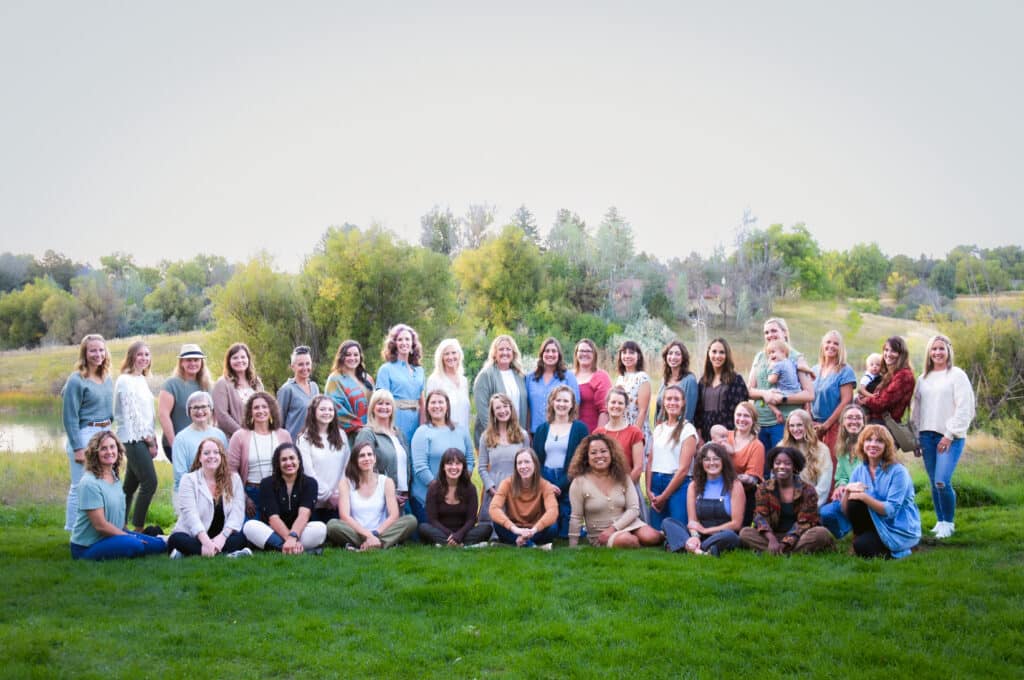
Sanctuary CARES draws from a broad network of more than 65 providers including doulas, lactation consultants, massage therapists, and nutritionists, though postpartum doula care remains the nonprofit’s core service.
Beyond direct services, Sanctuary CARES is built around four core pillars: access, research, community, and workforce.
Through a multi-year, NIH-funded research project conducted with consultants from the University of Colorado, the organization is studying the impact of postpartum doula care on depression and anxiety among BIPOC women. With limited national research on postpartum doula care, Sanctuary CARES hopes these findings will help drive policy change particularly around Medicaid coverage for postpartum doula services.
Community connection is another key focus. Sanctuary CARES hosts a free, weekly infant-feeding support group in Boulder called Milk Café, which brings together parents, lactation consultants, and peers in a welcoming, low-barrier setting. Plans are underway to expand these groups into additional Boulder County communities and potentially mountain areas, including Nederland.
“These groups have a really good following of 15 to 20 people per week. They receive free infant feeding support and provide a community to connect and chat with other moms. In 2026, we hope to expand our community groups to other counties,” shared Batwin.
Despite its early success, Sanctuary CARES faces a challenge common to many young nonprofits: demand for services far exceeds available funding. At any given time, dozens of families remain on a waitlist.
“We know the need is there,” said Kristen Gelinas, who supports the organization’s fundraising strategy. “Our focus right now is building the internal capacity and sustainable funding needed to meet that demand responsibly.”
Gelinas also shares that community members can support Sanctuary CARES by making one-time or recurring donations, referring families who may benefit from postpartum doula care, or helping spread awareness about what postpartum doulas do. A new “1% for CARES” initiative is also launching soon, allowing clients of the for-profit practice to opt into adding 1% of their service cost to directly support the nonprofit’s work.
For Sanctuary CARES, the vision is clear: healthier families and a future where postpartum care is recognized not as a luxury, but as a vital investment in long-term wellbeing.
For more information visit: www.sanctuarycares.org